In your palace warm, mighty king…

As those of us blessed with a warm home gather to celebrate, let us give thought to how we can aim for the essential ingredient for the prosperity that can provide a warm blanket for the shivering child in neighborhoods or conflict zones around the world.

At present there is celebration. Homes – big or small – are decked in pine and holly. Carols are remembered, if not sung.

One carol that might come to mind is Do Your Hear What I Hear. And one verse from that carol that might ring most deeply is,

Said the shepherd boy to the mighty king
Do you know what I know?
In your palace warm, mighty king
Do you know what I know?
A Child, a Child shivers in the cold
Let us bring him silver and gold.

As those of us blessed with palace or apartment warm gather and celebrate, let us for a moment give thought how we can aim for the essential ingredient in “silver and gold” – Peace. From Peace can come prosperity, and from prosperity a warm blanket for the shivering child in neighborhoods or conflict zones around the world.

But, the right kind of Peace.

The peace that comes from the barrel of a gun or from the stroke of a pen is a false peace, and does not last. Real Peace must come from all people’s hearts. It must come from the realization that making friendships and making love is infinitely more sensible than making war.

So, for another verse from the carol.

Said the king to the people everywhere
Listen to what I say!
Pray for peace, people, everywhere.
Listen to what I say!
The Child, the Child sleeping in the night
He will bring us goodness and light
He will bring us goodness and light!

Christian or not, believer or not, Peace be with you all.

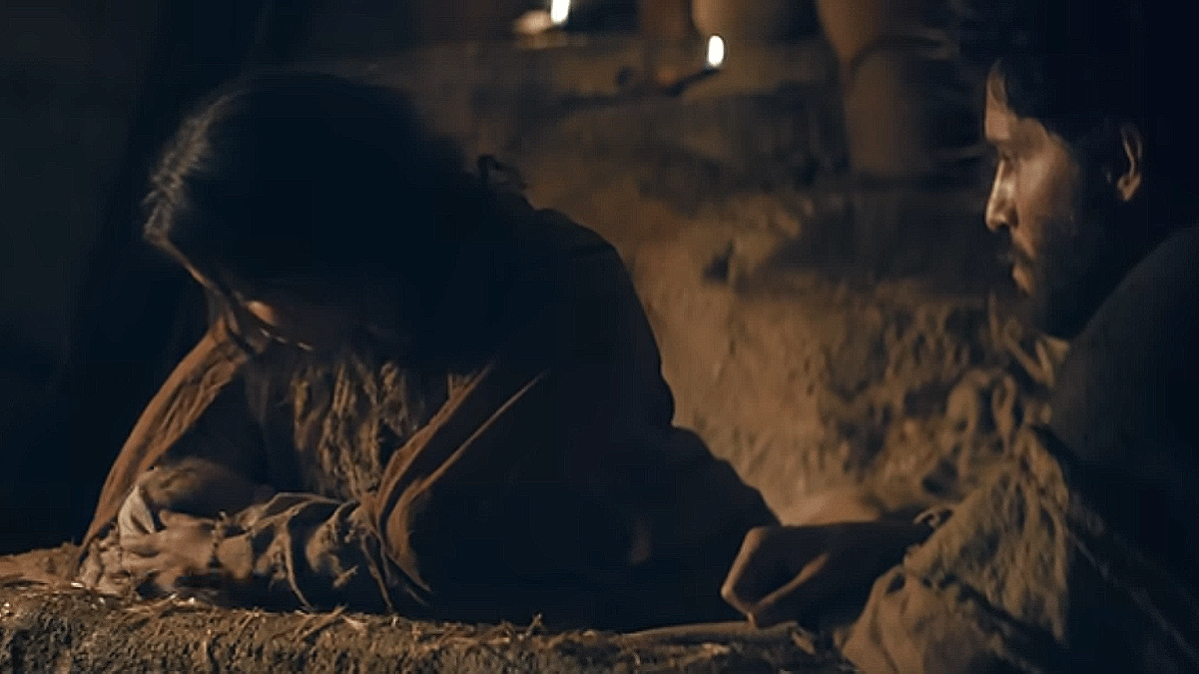
Picture: From The Christ Child: A Nativity Story. This is a beautiful short film about the birth of Jesus Christ, produced in 2019 by The Church of Jesus Christ of Latter-day Saints.

Paycheck to paycheck and waiting for SNAP

The furor over the recent interruption of SNAP food subsidies might be better placed on the unfortunate fact that 12% of US residents cannot afford groceries.

During the latest federal government shutdown, mainstream media has been awash with concern about families’ well being in the absence of SNAP (Supplemental Nutrition Assistance Program, formerly Food Stamps). While that concern is valid, more significant would be the question why 12% of US residents can’t afford groceries.

SNAP is one of the several US Department of Agriculture Food and Nutrition services, intended to help US residents unable to ensure food on their table. SNAP is the largest of the Food and Nutrition programs, clocking in at 70.2% of spending. The other USDA programs are child nutrition, 20.2%; WIC (Women, Infants, and Children) 5%; all other 4.6%.

USDA data shows that in fiscal year 2023, children accounted for about 39% of all SNAP participants, adults ages 18–59 represented 42%, and seniors 60 and older represented about 19%.

Most non-disabled working age SNAP recipients do work, but in today’s many non-steady, low-paying industries. They are part of the growing numbers of workers in Paycheck to Paycheck America.

What is poverty in our Humpty Dumpty World?

Some of the challenges in Paycheck to Paycheck America come from an ever-changing meaning of words. In Alice in Wonderland, Humpty Dumpty helps us understand that situation:

“When I use a word, it means just what I choose it to mean. Neither more or less.” Alice responded to Humpty Dumpty, “The question is, whether you can make words mean so many different things?” Humpty Dumpty retorted: “The question is, which is to be master? That’s all.”

The word “poverty” seems to fall into the Humpty Dumpty category of meaning what “masters” want it to mean.

In the very old days poor people were just that – poor, and they made do with what goods or services they and their children provided to others. In the 1960s, a poverty threshold was developed, people below that threshold became entitled to taxpayer assistance – and the “poverty rate” decreased. In 2011, the Supplemental Poverty Measure, which took into account all sorts of variables, was implemented – and the “poverty rate” decreased some more.

However, regardless of official statistics, folks remain poor. Decrease in poverty since the 1960s does not mean folks make more money for themselves. It means folks receive more money from public assistance.

Thus, the dire situation brought about by an interruption in SNAP subsidies.

In an ideal world, SNAP subsidies would not exist

In an ideal world, efforts would not be placed in ensuring lower-income individuals receive public assistance, but ensuring those individuals did not need public assistance, at least not to the extent that is needed at present.

A good start would be looking at prices vs. wages increases.

Here are numbers quoted by the Ludwig Institute for Shared Economic Prosperity:

“… from 2001 to 2023, the cost of affording basic economic security doubled, rising 99.5%, 38% faster than the Consumer Price Index. Housing costs soared 130%, healthcare 178%, and the savings required to attend an in-state, public university 122%.”

Meanwhile, the Economic Policy Institute says,

“… new data on wages through 2024. Cumulative median wage growth was just 29% since 1979—or less than 0.6% per year on average.”

Efforts like minimum wage, rent control, government-controlled healthcare, taxing the rich have been tried. Results have been to allow the poor to live a little better, but seldom move up an economic ladder.

So, we might look at other variables

* Price inflation: Government prints money faster than it increases gross domestic product. National debt to GDP is now 125%. This causes the proverbial too much money chasing too few goods.

* Housing shortage: In the old days people built houses when they needed houses. These days, regulations, union demands, environmental concerns, not-in-my-backyardness, monopolistic corporate ownership of rentals, all conspire to greatly increase the price of housing.

* “Healthcare” today is not what it meant in the past: Prior to the 1960s, those lucky enough to be insured through their employer, union, or privately received coverage for hospital stays and needed surgeries. Urban as well as rural doctors, nurses, midwives, and even pharmacists did the rest. Pharmaceutical companies had not yet developed drugs for every malady. And there were a lot of healthy young people around. Today, insurers and providers of medical care deal with an aging population, higher incidences of chronic diseases, a vast array of prescription drugs, new procedures like sports medicine and gender-affirming care, and the ever-present threat of medical law suits.

* College tuition: The answer to why college tuition increased so significantly since the 1980s will depend on who you ask. But there are a few reasons that are generally accepted. Competition based on costly amenities. Increase in administrators, counselors, and other non-teaching staff. Increased perception that a college degree is essential to success. Reduced federal funding of grants. There is one reason widely quoted but often denied – In 1978 federal student loans became available to all students regardless of income, and colleges took advantage of that largess to increase tuition.

Addressing these variables

Rather than focus on extending public assistance like SNAP, it might be more productive to focus on the variables that likely make individuals and families dependent on public assistance.

The recent furor over the suspension of SNAP serves as a reminder of the old saying:

“If your government is big enough to give you everything you want, it is big enough to take away everything you have.”

Picture: From the website of the US Department of Agriculture. USDA has 29 agencies administering programs like Agricultural Research, Animal Plant Health Inspection, Food Safety and Inspection, Farm Services, Food and Nutrition, and several other services.

A new Middle East Peace Plan – Again?

The asymmetry between Israel and Palestine is a fatal flaw always present in Middle East peace plans attempted by Western officials. The current plan is no different.

President Donald Trump, in his apparent effort to establish a new global order, is devising peace solutions to the world’s hot spots. The Middle East “20-point Peace Plan” is receiving the most press, possibly because the world would like to see an end to 77 years of lives destroyed or lost in conflict between Israelis and Palestinians. Most unfortunately, this plan suffers from the fatal flaw present in plans going way back to the end of World War I.

The fatal flaw is the asymmetry between Israel and Palestine. The Jewish State has the cultural, political and economic support of a world-wide Jewish community; and Israel has worked hard to be the Western presence in the Middle East. In contrast Palestine suffers from divergent factions, lacks a world-wide community as focused in unity as the Jewish community, and is perceived as anti-Western. Understandably, “peace plans” devised by Westerners will favor Israel.

Thus, we now have a peace plan on the table that includes disarmament of Hamas (understandable given Hamas’ horrific actions of October 7, 2023, but how realistic?), a dependent Palestinian population subject to whether Israel allows food into Gaza or not, an unclear deployment of “international security forces” to ensure success of the peace plan, and no acknowledgment in the plan about Islam’s discomfort with the existence of Israel or Israel’s desire to accommodate its growth via expanding settlements.

Time, effort and treasure spent by government officials in numerous Middle East peace plans have not yielded any peace so far. At this point, one might wonder whether peace through adult negotiation is really the heart-felt objective, or whether annihilation of one side or another is the endgame.

Also at this point, one might be reminded of the 1960s Vietnam Era embrace of a collective unconscious conceptualized in the adage “Make Love not War.” The 20-year carnage of the Vietnam War did not really end with official peace plans. It ended when peace started with a collective “Meh” directed at useless destruction. Obviously for such blessing to occur, individuals and families on all sides need to come to the conclusion that they are better off making love not war.

Picture: Sep 1, 2025 Al Jazeera
“Gaza’s beaches, once popular destinations for leisure and relaxation, have been transformed into makeshift refugee camps … Thousands of displaced Palestinians now seek shelter on the very shores that were once symbols of joy and respite.

Our kids’ brains, fried on social media

Frequent use of platforms is crucial for the generation of profits. Therefore, algorithms aim for what amounts to addiction. And social media addiction is associated with negative changes in brain structure, especially in young people.

One of our Founding Fathers, James Madison, said “A well-instructed people alone can be permanently a free people.” So, what are our chances of eventually not falling into the hands of masters when our kids’ brains are being fried by social media?

No, this is not hyperbole. Frequent use of platforms is crucial for the generation of profits. Therefore, algorithms aim for what amounts to addiction. And social media addiction is associated with negative changes in brain structure, especially in young people.

What studies say.

Many studies have associated changes in specific areas of the brain — especially young people’s brain — with frequent use of social media. Areas negatively affected regulate thoughts, emotions, judgment, decision-making, higher-order thinking, impulse control, attention.

Here are excerpts that explain the harms.

“Internet addiction can also cause changes in the prefrontal cortex and lead to an imbalance in the frontostriatal pathway, which increases sensitivity to stimuli and reduces inhibitory control, thus influencing decision-making and emotional changes. In adolescents and young adults, impairments in cognitive functions, such as self-monitoring, memory retention, organizational skills, and time management, are commonly seen in cases of internet and smartphone addiction.” Social Media Algorithms and Teen Addiction, January 8, 2025.

“Social media platforms, by design, tap into our neurobiological vulnerabilities, particularly the mesolimbic dopamine system, creating cycles of craving and satisfaction. People’s tendency of addictive behavior with smartphones is not merely a matter of willpower but a neurological phenomenon with far-reaching consequences on attention, memory, and overall cognitive function.” Likes, Loops, and Limbic Systems, November 28, 2024.

“Upon exposure to rewarding stimuli, the mesolimbic system releases dopamine into specific target nuclei … Social media systems are taking advantage of the system by increasing dopamine release via digital footprints and machine learning algorithms that flash personalized content. This reinforcement motivates extended use, while users find it harder to unplug due to the expectation of rewards.” Social Media Algorithms and Teen Addiction, January 8, 2025.

So, is freedom in peril?

Judging by the excerpts above and the widespread use of social media by children and young adults, it appears we may be raising a generation lacking essential characteristics necessary to maintain a functioning republic.

In his “farewell address,” President George Washington listed many things necessary to preserve the republic. One of those things was a populace blessed with knowledge and enlightenment.

“Promote then, as an object of primary importance, institutions for the general diffusion of knowledge. In proportion as the structure of a government gives force to public opinion, it is essential that public opinion should be enlightened.” George Washington’s address.

His point was obvious: Our republic is based on the public’s will. If our populace suffers from “impairments in cognitive functions, such as self-monitoring, memory retention, organizational skills,” then the republic cannot endure.

In such scenario we will have “more need of masters,” as Ben Franklyn predicted. And the frightening part of this scenario is that the helpless populace will not know what kind of masters they will end up getting!

What to do? Here are laypersons’ suggestions.

If you are waiting for government to “do something,” you may be out of luck. Social media moguls donate tons of money to political campaigns. If you want your children to have healthy brains, you will have to take matters into your own hands.

* Whether your family dinner is pheasant on tarragon cream or beans and rice, the kids will benefit from sitting with you and learn to converse. No cell phones, no television, just sharing how the day went and how it could have gone better.

* Visit your school board (try to make time, even if you work two jobs) and insist that cell phones be in lockers during class time (yes, this is getting to be a dangerous world where cell phones might be considered a safety tool, but are they also contributing to violence?)

* Bed time is sleep time, not text time. Taking a book to bed might work. New readers might love traditional comic books. Once kids get hooked on reading the good stuff, they are on their way to being lifetime readers instead of texters.

A Republic, if you can keep it.

It is up to We the People. Do we want a populace with fried brains in need of masters, or a nation of readers and problem solvers capable of maintaining a functional free republic?

Picture: From Freepik, a creative suite with a treasure trove of free images.

The news everybody knew: plastics make you sick

Medical journal The Lancet just published a straight-up report on plastics: they make you sick. Is your baby chewing on plastic teething rings? Is your tween’s room filled to the rafters with Barbies? Choose healthier.

On August 3, 2025, the Lancet, a well-known medical journal, published a report that went straight to the point regarding plastics. The Lancet Countdown on Health and Plastics, says:

Plastics are a grave, growing, and under-recognised danger to human and planetary health. Plastics cause disease and death from infancy to old age and are responsible for health-related economic losses exceeding US$1·5 trillion annually.

There has been enough talk about plastics harming our environment.

We have all seen the ubiquitous images of the mountains of plastic containers clogging waterways, decimating oceanic health, and blighting landscapes. What we have not seen or heard enough is talk of the health hazards caused by rooms full our children’s plastic toys, refrigerators with plastic containers, pantries with plastic-lined food cans, doors and windows encased in polyvinyl chloride (PVC, an acknowledged toxic plastic), and water pipes made of PVC.

So, lets talk about the human danger of plastics.

The human danger largely comes from two sources: (1) From inhaling chemicals that emanate from building materials like PVC, furniture made of engineered “wood,” and products — from toys to medical equipment — made from plastics. (2) From ingesting microplastics that enter our bodies via water, food, and breathing.

These foreign substances wreck havoc in endocrine and neurological systems, especially the systems of fetuses and children. Such disruptions increase risks for obesity, diabetes, lower fertility, and ADHD.

The remedy discussed in the Lancet report?

The several authors of the referenced Lancet report must be commended for sounding alarm in a popular journal, the publications of which are often picked up by the general media.

They must also be commended for starting a serious effort to track amelioration of harms done by plastics. The tracking – or “Countdown” — will begin after member states of the United Nations finalize a global plastics treaty during meetings in Geneva, Switzerland from August 5 – 14.

A press release dated August 5, 2025, on the The UN Environmental Programme website defines the objective of the upcoming sessions on global plastics:

“… to develop an international legally binding instrument on plastic pollution, including in the marine environment … to finalize and approve the text of the agreement and forward it for consideration and adoption at a future Diplomatic Conference of Plenipotentiaries.”

What was not discussed in the Lancet report?

Understandably, the scope of the Lancet report does not include two questions that hopefully will be addressed by ordinary concerned individuals.

* Have the climate change global agreements worked as expected? Some will say “yes” judging by the proliferation of laws regarding oil production, transportation, and infrastructure. Others will say “no” judging by the fact that climate continues to present increasing challenges since the Paris Agreement was signed in 2015.

* What will replace the innumerable plastic products in the market today? Some will say not to worry because that will be solved once enough plastics are banned. Others will say that the sheer volume of replacements needed requires that consumers become convinced that plastics threaten their health, start purchasing the alternatives that are already in the market, and producers reach economies of scale to make alternatives to plastics affordable to everyone. In other words, where mandates, like those made as a result of climate change treaties, do not work, consumer awareness might.

Replacement products must precede or accompany reduction in plastics.

In the old days, children’s toys were made of wood, cotton and wool, straw, paper, tin and other products derived from nature. The same with household products.

In 1907, the first completely synthetic plastic, made from phenol and formaldehyde, was developed. It was named Bakelite. Its many uses, including the manufacturing of colorful bangles, helped propel the development of more plastics.

As development and production of plastics grew, economies of scale made plastics cheap compared to naturally-sourced materials. New technologies made plastic products in all kinds of shapes, sizes, textures, strengths, and colors. And omnipresent advertising and powerful lobbying succeeded in selling plastics like polyvinyl chloride as safe for our water infrastructure (like PVC pipes), our homes’ building materials (like “luxury vinyl”), our children’s toys (like the plushy ones), and containers of things we put in our bodies (like IV bags).

Given such universal use of plastics, talk of reducing use via government mandates – as the UN global efforts seem to advocate – is unrealistic.

More realistic would be to increase consumers’ awareness.

To reduce the use of plastics, consumers must (1) become believers in the health hazards of plastics, and (2) become comfortable with using plastics alternatives, many of which are already in the market today.

Here is an example of the effectiveness of strategy (1).

The public’s awareness that cigarettes were deadly and not the safe glamorous indulgence they were portrayed to be helped to lower smoking addiction. Cigarettes were not banned, they just became yucky in the eyes of a lot of people.

The same could happen to most plastics. The environmental lobby has already succeeded in developing some distaste for plastics by publicizing realities like the island of plastic garbage located in the North Pacific and sea creatures helplessly tangled in plastic containers’ packaging yokes.

Now health enthusiasts could make inhaling the volatile organic compounds (VOCs) off-gassed by luxury vinyl, plushy toys, and the innumerable other plastic products in our homes and workplaces equally undesirable. Even easier to make unpleasant is the ingestion of micro plastics.

Strategy (2) is seen in trends like the general public of the 1970s feeling comfortable using computers or using recycling bins.

Some statistics show that demand for alternatives to plastic products is increasing. Maybe selling “sustainability” works, maybe plastic teething rings became a bridge too far for some, maybe more people now know that most plastic products are not recyclable and end up in landfills.

That trend could accelerate with clever promotion of alternative products that already exist, appeals to “early adopters,” encouraging the purchase of less but healthier stuff, support of politicians that advocate using petroleum (the raw material of many plastics) for essential industries and transportation not vinyl doors and Barbies.

Find out about the interesting plastic alternatives!

An online store (Impack, with no connection with this blog) selling non-plastic packaging has a good chart of alternative materials and their relative cost. The two more interesting products are glassine bags and mushroom cushioning.

Glassine bags are resistant to grease, air, and water vapor. They are also biodegradable, translucent, cost effective, and not coated with anything. Glassine is a healthy way to wrap food.

Mushroom cushioning is made of mushroom roots combined with agricultural waste like corn husks. It is a highly effective protective material for expensive fragile products like electronics and high-end cosmetics.

Choose healthy.

What keeps people from moving away from plastics is feeling comfortable with plastics’ image of trustworthy useful affordability. That image was carefully curated to consumers.

A 4th of July checkered tablecloth made of PVC looks just like grandma’s oilcloth made of cotton and linseed oil. Vinyl sheet flooring comes right up when you Google “linoleum,” also mostly of linseed oil. Parents and children are constantly fed images of happy kids surrounded by piles of cute and colorful plastic.

Pulling back the curtain on plastics, as the Lancet report has just helped do, and making people feel even more comfortable with natural alternatives to plastics is a good way to make us all much healthier.

Picture: Disney Princess Gourmet Kitchen sold at Target. 42.32 H x 49.37 W x 12.59 D. Material: Plastic.

Paycheck to paycheck America

Increasingly, since the 1970s Americans get stuck in survival mode, rather than thrive mode. More and more workers are living paycheck to paycheck. What happened?

There is no longer denying that the rich are getting richer and the poor are getting poorer. The once iconic American middle class has all but disappeared. There is, however, plenty of denying contributing events – and therefore solutions – for such a pickle.

There were plenty of events. Here are some, certainly not all:

The 1970s saw an economic watershed.

From the end of WWII until the 1970s, incomes of the rich, not so rich, and poor rose around the same pace. Household savings rates were around 7 to 10%, a healthy percentage that allowed people to build capital and improve their lot.

The 1970s saw the start of a widening income, savings, and wealth gap. Today’s average household savings rate is 4.5%. Incomes of the less-than-rich tend to cover household expenses and not much else. Moving up the economic ladder under such circumstances is a nearly impossible feat.

The 1970s also saw a cultural watershed.

Lyndon Johnson’s Great Society was a herculean effort to deal with poverty through social welfare. Congress passed legislation enshrining President Johnson’s agenda between 1964 and 1968. By the 1970s public assistance was culturally accepted as the way to improve the lot of the poor.

That is still the case today. Legions of government programs, non-profits, and billionaires’ tax-advantaged foundations exist today to end poverty.

1971 saw the birth of fiat money.

The Great Society social programs that started in 1964, the Vietnam War (1955 – 1975), and a Federal Reserve that did not respond forcefully enough to unbridled government spending and rising prices, all contributed to inflation that reached 5.89% in 1969.

Such level of inflation decimated the value of the U.S. dollar, and a run on U.S. gold appeared probable. So, President Richard Nixon ended the country’s gold standard in 1971 – releasing the fiat money genie out of the bottle!

Without the market restraints inherent in a gold standard, government folks became free to borrow and spend. And free to keep interest rates down to facilitate payment in the ever increasing national debt.

Sharp-eyed folks in the general population figured windows of low interest rates and cheap money allowed them to borrow, invest, and grow rich.

Technology helped.

In the olden days, stocks were considered risky business not suitable for average respectable people. However, as technology gave average respectable people the Internet, access to on-line accounts, apps, social media, and a dizzying array of asset classes, investment in intangibles was democratized.

Then came financialization.

An old working paper dated December 2007, by Thomas Palley, in conjunction with The Levy Economics Institute of Bard College, has a very good description of financialization. In Financialization: What is it and Why it Matters, Dr. Palley wrote:

“Financialization is a process whereby financial markets, financial institutions, and financial elites gain greater influence over economic policy and economic outcomes. Financialization transforms the functioning of economic systems at both the macro and micro levels.

Its principal impacts are to (1) elevate the significance of the financial sector relative to the real sector (2) transfer income from the real sector to the financial sector, and (3) increase income inequality and contribute to wage stagnation. Additionally, there are reasons to believe that financialization may put the economy at risk of debt deflation and prolonged recession.

Financialization operates through three different conduits: changes in the structure and operation of financial markets, changes in the behavior of nonfinancial corporations, and changes in economic policy.”

Basically, financialization says, why should a company bother with working to create better widgets or bother with managing a productive labor force. So much easier to make money from financial transactions like acquisitions facilitated by fiat money, stock buybacks to inflate value of outstanding shares, or speculation with today’s equivalent of puka shells– cryptocurrencies. What companies save on labor, goes to CEOs and shareholders.

On the other side, much of workers’ consumption changed from that based on wages to that based on debt. And looks like powers that be in the marketplace and in government are fine with that.

The rise of institutional investors followed.

Around the late 1970s, institutions like Vanguard, Fidelity Investors, and other fund managers popularized a variety of financial products, including mutual funds and 401-k management. This attracted investors, contributed to fund managers’ growth, and eventually resulted in institutional investors today accounting for about 80% of the volume of trades on the New York Stock Exchange.

Note that these institutions do not own the stocks and other instruments they manage. It is America’s wealthiest 1% that own 50% of stocks, while the 10% wealthiest own nearly 90% of stocks.

This level of shareholder power is bound to divert profits from labor to dividends and/or CEO compensation. Note that a large portion of CEO compensation today is in stock and tied to how well the CEO enriches the company’s shareholders.

Meanwhile, wars on poverty focus on social welfare.

Since the 1960s rivers of money have gone into social welfare. Most improvement, if any, in the lot of the poor has come from handouts. Lower-income earners have remained stuck in survival mode, rather than rise to thriving mode.

Certainly, there have been the relatively few that rose from very modest beginnings to wealth. But here we are talking about the average worker in the fast-food, home-health care, hospitality, and other lower-paying industries.

Included in handouts are government mandates such as minimum wage increases and rent control. These two mandates especially reveal the cynicism inherent in legislatures. Politicians surely have a modicum of knowledge of the realities of the marketplace, which they purposefully to ignore.

Surely, they must realize that when you increase people’s power to spend without an equal or greater increase in output, you end up with inflation. A 3% increase in the price of hamburger is not a big deal for the well to do, but very unfortunate for the poor.

Politicians must also realize that investors, like landlords, want a certain profit, and when you mess with that profit through rent control, they stop being landlords and go invest in something else. Fewer landlords mean fewer housing, and potentially more poor families living in their car or worse.

Awareness is the first step to cure

We cannot go back in time, but we can stop pretending handouts work.

Schools that teach not indoctrinate or coddle work, discipline works (in school and at home, for kids and for adults), work ethics work.

Cottage industries (stuff you make at home and sell) work. Fiscal responsibility at home and in government works (especially reducing the national debt before interest eats up all of GDP!). Politicians that promise wider opportunities for people to earn a living, not freebies and AI, work.

America is still the land people of over the world want to come to. But many American families must be wondering, “What happened to the Middle Class.”

Recommended article: US strikes on Iran are a test of hard power’s limits

Whether there is indeed a ceasefire between Iran and Israel or whether the US will remain in a rat hole of retaliations remains to be seen. But, as the recommended article explains, Iran will retain its irreversible knowledge gain in matters of nuclear enrichment, to be used or not as Iran sees fit.

In the midst of claims by President Donald Trump of “spectacular military success,” and fears of “descending into a rat hole of retaliation after retaliation” expressed by UN Chief Antonio Guterres, the Reuters news agency published a calm and rational article on June 22, 2025, which describes an additional scenario: nothing has changed as far as Iran’s ability to proceed with its nuclear research.

In US strikes on Iran nuclear sites are real-life test of hard power’s limits, authors Francois Murphy and John Irish speak about Iran’s “irreversible knowledge gain” that bombers cannot obliterate.

Here are highlights from the article:

“You can destroy or disable a nuclear programme’s physical infrastructure but it is very hard or impossible to eliminate the knowledge a country has acquired.”

“Western powers including the United States have publicly suggested as much, complaining of the ‘irreversible knowledge gain’ Iran has made by carrying out activities they object to.”

“‘Military strikes alone cannot destroy Iran’s extensive nuclear knowledge,’ the Washington-based Arms Control Association said in a statement after the U.S. strikes with massive bunker-busting bombs on sites including Iran’s two main underground enrichment plants at Natanz and Fordow.”

“The strikes will set Iran’s programme back, but at the cost of strengthening Tehran’s resolve to reconstitute its sensitive nuclear activities, possibly prompting it to consider withdrawing from the nuclear Non-Proliferation Treaty, and possibly proceeding to weaponisation.”

“Israel has also said it has killed Iranian nuclear scientists but, while little is known about the personnel side of Iran’s nuclear programme, officials have said they are sceptical about that having a serious impact on Iran’s nuclear knowledge, even if it might slow progress in the near term.”

“One important open question is how much highly enriched uranium Iran still has and whether it is all accounted for.”

“A senior Iranian source told Reuters on Sunday most of the highly enriched uranium at Fordow, the site producing the bulk of Iran’s uranium refined to up to 60%, had been moved to an undisclosed location before the U.S. attack there.”

So, ceasefire or not…

Whether there is indeed a ceasefire between Iran and Israel as President Donal Trump announced today, June 23, 2025, or whether the US will remain in the rat hole of retaliations remains to be seen.

But, as the recommended article explains, Iran will retain its irreversible knowledge gain in matters of nuclear enrichment, to be used or not as Iran sees fit.

Picture: From AP video on MSN News, B-2 bombers return to US base

We need to make our kids happy again

Today, our children and youth, coddled by parents and government, have shed the masters of the workhouses and acquired the masters of advertising and agendas.

School age children today exhibit greater emotional instability than in the past, seen since around the 1970s in poorer academic performance, inattention, incidents of violence, and suicides. Society’s response has been to significantly increase the number of mental health counselors present in schools, so far it appears to no avail.

To a hammer everything looks like a nail.

To the American Psychological Association, “With a growing mental health crisis among young people—a trend both exacerbated and illuminated by Covid—the need for school psychologists is multiplying.”

However, to a layperson with an open mind, there should be something amiss with this one-solution mindset, especially since it does not seem to be working. The “growing mental health crisis” did not develop in a vacuum – nothing does. Should we not look for what changed in the past few decades that might have contributed to the “crisis” and fix those variables?

Here are some likely candidates.

Bad Therapy: Let’s begin with the emphasis on mental health in schools – “trauma informed education” – that encourages inward-looking, self-awareness, and emotional skills. A common sense question should be whether “An individual is more likely to meet a challenge if she focuses on the task ahead, rather than her own emotional state. If she’s thinking about herself, she’s less likely to meet any challenge.” (How Bad Therapy Hijacked Our Nation’s Schools, The Free Press, 02/27/24.)

Clueless experts: “Experts” nowadays seem to come with an agenda, rather than with common sense. For example, when someone blames poverty and lack of sufficient services for the sad state of our youth, the question should arise, was there no poverty in the past?

Denatured foods: Nutrients in our foods feed our bodies, our brains, our energy levels, our well being. The detrimental effects of processed foods should be obvious to everyone. However, more insidious is the prevalence since the 1960s of denatured (meaning altered) fruits and vegetables, which contain significantly lower nutrient contents. In an effort to increase fresh produce yield, resistance to disease, storage life, transit capability, attractiveness, and other beneficial characteristics, farmers choose to grow hybrid varieties. Unfortunately, in nature we often lose one characteristic to gain another. (Industry Scandal: The Loss Of Nutrients, 07/20/24)

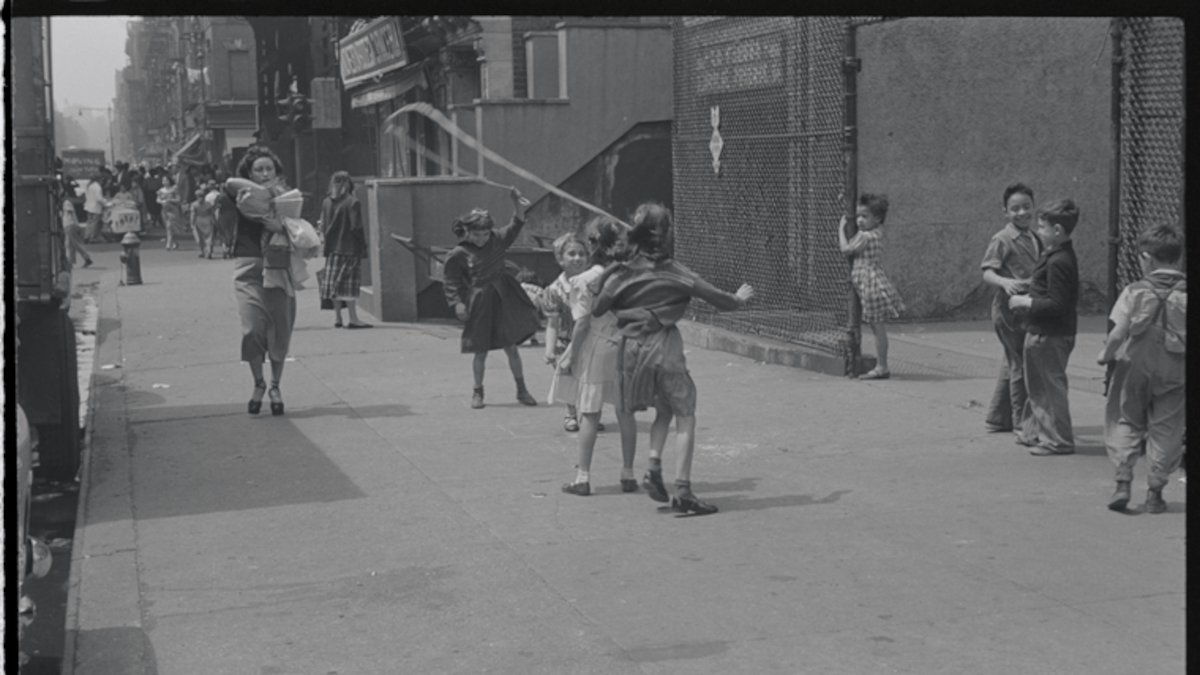
Barren existence: Boomers like to tell how when they were kids, their free time was spent outdoors, jumping rope, making up games, deciding who went first and whose turn it was to wait, watching fireflies, and hurrying home just before suppertime (lateness had consequences). Hot summers in the inner cities were famous for fire hydrant sprinkling & splashing. Too many kids today have supervised playdates and structured activities — if they are lucky. Otherwise, chances are their time is spent in front of TV screens, on endless scrolling on smartphones, texting, or immersed in video games where differences are solved by shooting opponents and blowing things up.

Screen time: It should be obvious to anyone with an iota of common sense that today’s addiction to screens cannot be healthy or lead to productive social interactions. Yet parents and teachers seem to lack the will or authority to keep youth away from screens (often they themselves suffer from screen addiction). Worse, video games — purposefully and obsessively designed to addict, extract information, and monetize — fill hours of youth time. “Gaming audiences form a wide-ranging, worldwide community that goes beyond age, gender, and cultural limits … They’re deeply involved in these games, making them a prime audience for tech, entertainment, and lifestyle ads … Gaming audience spend a lot of time playing, giving advertisers a great chance to connect.” ( Advertising in Gaming: Who are Gamers?, Iion, 03/25/24)

But in the old days there were the work houses…

Media and other communicators are fond of pointing out the plight of children and youth in days gone by, when there was no “regulation” or “services.” Indeed the life of poor and sometimes orphaned children and young adults was certainly not idyllic in the past. Child labor, work houses, illiteracy, and often hunger were common.

Society did eventually recognize and effectively deal with those egregious conditions, mostly though legislation.

Unfortunately, as is so often the case, solutions implemented to solve one problem spawn other problems. Today, our children and youth, coddled by parents and government, have shed the masters of the workhouses and acquired the masters of advertising and agendas. Promotional advertising creates lifestyles, and agendas create dependence on everything from government assistance to youth gang requirements.

Looking back might help

Maybe looking at the array of variables that made kids different back in the day would help. Those variables could include hard working two-parent households, parents with high expectations of their children, teachers willing to impose discipline and expect performance, focus on the 3 Rs of education, and effective (not ineffectively brutal) law enforcement to ensure safe neighborhoods where all kids can play outside.

Interestingly, all those variables include action, not the navel gazing today’s “experts” encourage our kids, to wallow in!

Picture: Kids playing in the street around the 1940s, from the New York Public Library Digital Collections.

Pancho Barnes: She was the trailblazer few have heard of

In the 1920s and early 1930s, air travel was still in its infancy. But aviation trailblazers were barnstorming in popular airshows, setting and breaking flying records, and moving mankind closer to space travel. Pancho Barnes was one of these pioneers.

March is Women’s History Month, and the Just Vote No blog has chosen to celebrate the contributions of Pancho Barnes (July 22, 1901 – March 30, 1975). Who? Interestingly, a search of Google Doodles does not show that Pancho Barnes was ever celebrated. Amelia Earhart was celebrated twice. No wonder Barnes once said, “Amelia Earhart got all the publicity and Bobbi Trout made all the money, but I was the best pilot.” True.

Brief background.

Florence Leontine Lowe was born into a well-to-do family in San Marino, California. She attended fine private schools, became an accomplished equestrian at an early age, and acquired a love of flying from her paternal grandfather. Grandfather Thaddeus S. C. Lowe established the first military air unit during the American Civil War, the Army of the Potomac’s balloon corps.

At 18, Florence married the Reverend C. Rankin Barnes, with whom she had her only child, William E. Barnes. However, after a few years as a reluctant wife, she ran away and eventually ended up in Mexico. There Florence Barnes became Pancho Barnes.

Pancho Barnes returned to the U.S. at the death of her father, from whom she received a large inheritance. With that money, she purchased a Travel Air biplane and took flying lessons. History has it that after only six hours of instruction, she was flying solo.

Pancho was then on her way to becoming a legend in her own time.

Those were the times of early aviation when airplanes were still a mystery. Young men and women were eager to test their own maximum capacity as pilots as well as the capabilities of their airplanes. They were also eager to share their derring-do with an enthusiastic public.

Thus, there were the barnstormers, with Pancho Barnes among them. Barnstormers made their living putting on well attended flying shows in barn fields. Their spins, rolls, loop-the-loops, wing walking not only entertained large audiences, but also served to prove a barnstormer’s skills.

In 1929, when Cliff Henderson promoted his first Women’s Air Derby (immediately nicknamed the Powder Puff Derby by American humorist Will Rogers), Pacho Barnes was there. The transcontinental race ran from Santa Monica, California, to Cleveland, Ohio. Of the race’s 20 participants, 15 made it to the finish line. In the heavy airplane class, Louise Thaden finished first, Gladys O’Donnell second, and Amelia Earhart third. In the light airplane class the winners were Phoebe Omlie, Edith Foltz and Jessie Keith-Miller. Pancho Barnes was not one of the finalists because a car crashed into her airplane as she was landing in one of the stops.

But barnstorming and racing were not Pancho Barnes only interests. In Hollywood she was a popular stunt pilot. She is credited with forming one of the first Hollywood unions, the Associated Motion Picture Pilots, which gave stunt pilots more bargaining control over pay and safety.

Two other feats: Pancho Barnes was the first female test pilot for Lockheed. In 1930, Barnes broke Amelia Earhart’s speed record.

Then came the Great Depression and Pancho’s new lifestyle.

The Depression of the 1930s was a life-changing event for everyone, including Pancho Barnes. That’s when she pivoted from aviatrix to businesswoman.

In 1935, she sold her home in Los Angeles and purchased a ranch near Muroc Dry Lake in California’s Mojave Desert. Nearby was a small base called the Muroc Army Airfield, later to become Edwards Air Force Base. And there was nothing else in that hot, barren, dusty expanse.

At the ranch Pancho built an airstrip, hangers, and classrooms for her Civilian Pilot Training Program. During WWII, Pancho’s ranch was taken over by the military. After the war, she added rodeo grounds, racetracks, a swimming pool, and a 20-room motel. The ranch became a fly-in destination for her numerous pilot and Hollywood friends, as well as a place for the men from the Muroc base to gather. In 1946, the ranch became a private club named The Happy Bottom Riding Club, which at one point had 9,000 members worldwide.

The Happy Bottom Riding Club.

Pancho Barnes, like other female pioneers of early aviation, proved women could be skillful daring pilots — just like Valentina Tereshkova, Svetlana Savitskaya, and Sally Ride proved women could be cosmonauts and astronauts. These are invaluable cultural contributions.

But, Pancho Barnes’ contemporaries credit her not only with cultural contributions, but also with helping to advance America’s aviation and the space program. This point is entertainingly made in a video released in 1994 by Computer Sciences Corporation, funded by the Department of Defense Legacy Resource Management Program, called The Happy Bottom Riding Club: The Legacy of Pancho Barnes.

In the video, a narrator, several aviation pioneers, and Pancho herself tell stories about The Happy Bottom Riding Club. Here are a few snippets from the video’s transcript.

0:31 – 0:47 “What took place here a half century ago altered the course of history and changed the world. The events that happened here probably helped America win the cold war, launched us into the space program, and made America a major force to be reckoned.”

1:27 – 1:57 “But the story of Pancho Barnes and the Happy Bottom Riding Club is one that is tightly interwoven with the history of Edwards Air Force Base and the flight test center. You can’t tell one story without telling the other. Edwards is where the first American jet airplane flew, the sound barrier was broken, and where the rocket sled tests blasted through the sound barrier on the ground and proved that man could survive ejection from an airplane.”

16:50 – 17.04 “That’s where everybody would go and talk about your whatever kind of program you’d been on today. Whatever you’d encounter during the course of the day was invaluable to get around to each other and the way we managed to do that we’d always go over there and have a beer at Pancho’s place.”

32:11 “I knew we could break the sound barrier and I offered a free stake to the first man brave enough and smart enough to do it.”

32:17 “Most aviation riders I know consider the 1947 flight [when Chuck Yeager broke the sound barrier] probably the most important flight in history after the first flight of the Wright Brothers.”

35:34 – 35:45 “And when they heard the sharp double crack of the sonic boom although they didn’t realize it they were actually witnessing the dawn of the space era.”

36:17 – 36:29 “Chuck says, ‘Well, I broke it,’ and it was just like that, no big deal made out of it. He broke it. Everybody knew he would. We bee lined it to Pancho’s.”

Every aviation pioneer knew the sound barrier had to be broken before space could be conquered, and everybody knew Chuck Yeager could do it (even if he had two broken ribs at the time he climbed on his airplane). Yeager got the steak dinner promised by Pancho, and that was it.

Things changed when powers that be decided to “clean up” Muroc Army Airfield.

In 1949, Muroc Army Airfield was renamed Edwards Air Force Base. Then in 1952, the base’s commander, General Al Boyd was replaced by Brigadier General Stanley Holtoner. His mission was to turn Edwards into a modern aviation test center, which to him meant discipline and no fooling around.

So, maybe The Happy Bottom Riding Club had to go? Apparently. General Holtoner’s orders were to acquire Pancho’s land by eminent domain, because an extended runway had to be built. Pancho fought back in court and won, but to no avail, since a “mysterious” fire broke out that totally destroyed the ranch. Pancho did not feel it was feasible for her to rebuild and sold the land to Edwards Air Force Base. The runway was never built.

So, Pancho Barnes retired.

She rode horses and raised dogs. Until in 1975, Pancho Barnes died. Today she is best remembered by military and aviation enthusiasts, who understand her aviation skills and contributions.

Pancho was not pretty like Amelia Earhart, she did not disappear in mysterious circumstances, and she died in her home at 74 of natural causes.

But she definitely deserves a Google Doodle during Women’s History Month.

Picture: Pancho Barnes, age 29, with her Travel Air Mystery Ship. On that day, August 4, 1930, she set a new speed record for women. The record was previously held by Amelia Earhart.

Recommended eye opener: Joe Rogan podcast #2281 with Elon Musk

This recommendation is for folks not familiar with The Joe Rogan Experience podcasts. And for those who would like to understand what DOGE is really doing and why.

This recommendation is for those not yet familiar with Rogan’s conversations with folks like J.D. Vance, Mark Zuckerberg, Mel Gibson, Rod Blagojevich, Tulsi Gabbard, Donald J. Trump, Woody Harrelson, Bob Lazar, Gad Saad, and many others with a lot to say.  Those who are already Rogan enthusiasts will surely have already listened to this episode.

Briefly regarding the Joe Rogan Experience podcasts: Rogan, born in 1967, started his podcast in 2009 on YouTube.  Today, the podcast has massive audiences on all popular platforms.  The recommended episode #2281 with Elon Musk had 10,518,308 views and 66,911 comments on YouTube as of this writing.  Joe Rogan lives in Austin, Texas.  He practices martial and fighting arts, and is an avid archer and bow hunter (yes, he and his family eat everything he kills).  Rogan is able enthusiastically to discuss all kinds of subjects with his podcast guests.

So, why is the Joe Rogan Experience episode #2281 with Elon Musk important?  Because this episode has the potential of forcing DOGE opponents to understand what DOGE is really doing and why it needs to be done.

In episode #2281, Elon Musk says that Americans are living in two separate universes.  There is the DOGE opponents’ universe, and there is the DOGE supporters’ universe.  As a rule, opponents most likely get their news and facts only from mainstream media sources like MSNBC, AP, Washington Post, New York Times, and Facebook.  As a rule, DOGE supporters most likely also consume alternative media like X and the Joe Rogan podcasts. 

Today’s mainstream media shows DOGE protesters speaking of service cuts to the needy, fears of deportation from the U.S., anxiety over changes to Social Security and Medicare, shattered dreams of laid off government employees.  It shows legislators pointing to the “human impact of DOGE cuts.”  It talks about DOGE usurping Congress’ job.  All valid concerns.

Alternative media like X and the Joe Rogan podcasts expose DOGE’s findings in the underbelly of a government doing its best to delay its certain collapse.  The alternative media tacitly brings awareness that DOGE is indeed doing the job Congress has failed to do, since Congress remains unconcerned that absent policy changes the U.S. will face bankruptcy in the not too distant future.   

Just a few numbers can show why DOGE needs to take a chainsaw to the U.S.’s bloated bureaucracy – a task Congress should do but will not.

*   National debt as percentage of gross national debt was 123% as of fiscal year 2024.  As debt increases faster than GDP, this percentage will increase, eventually resulting in unsustainability.

*   House Continuing Resolution No. 14 passed on February 25, 2025, along party lines, with the sole Republican “Nay” coming from Thomas Massie (R-KY).  The Resolution recommended increased amounts of debt each year, resulting in a 47.5% cumulative increase 2025 to 2034.  The Economic Times sounded a warning in November 2024, which like all other warnings, was ignored by the U.S. Congress.

America’s national debt has reached a record high of $36 trillion, with a $2 trillion increase this year alone … The situation is becoming more dire, with the US debt now standing at 125% of the country’s GDP. Experts predict that this debt-to-GDP ratio could reach 200% in the coming years, meaning that the national debt could be twice the size of the entire US economy.  This is expected to result in the government spending more on interest payments than on essential areas such as infrastructure, development, and education.” America Headed for Bankruptcy, The Economic Times, November 25, 2024.

*   In 2024 the U.S. national debt was $35.5 trillion.  The combined wealth of billionaires was $6.2 trillion.  The combined wealth of millionaires was $26.1 trillion.  Even if the government taxed all the wealth of billionaires and millionaires in 2024, it would not succeed in reducing the national debt to zero.  Congress has preferred to remain ambivalent on calls to fix the country’s deficits by taxing the rich, because it can’t be done.

It would be great if DOGE’s opponents among voters would listen to Elon Musk’s conversation of February 28, 2025, with Joe Rogan. The entire 3-hour conversation is worth listening to, with plenty of entertaining topics — like responses from the sassy sexy voice from Grok. But the segment starting at 13.56 relates to DOGE findings and is the most crucial part of the podcast. 

Here are just a few observations by Musk:

*   Today’s dominant notion is that although a business needs to at least break even to survive, government can spend way beyond its revenues.  That notion is flawed, and on the current trajectory, the U.S. government will collapse in the near future. 

*   Again comparing government to business, a business must pass audits (external or internal) showing clearly described payment (where the money goes and why).  The U.S. Treasury issues numerous payments without codes or descriptions, the destination of which no one can readily determine.  [Note: This observation about the U.S. Treasury is not new.  For example, a report issued by the Office of Inspector General released May 29, 2024, concluded that the Treasury lacked sufficient controls to be fully compliant with the Payment Integrity Information Act of 2019.  Apparently, nothing has changed.]

*    About 1.5 million non-government organizations (NGOs) operate in the U.S.  An estimated 30% of NGOs rely on U.S government grants.  Payments to them are often on autopilot, without any follow-up as to the NGOs activities or efficiency. 

*   Concerns over the fate of Social Security are valid.  Concerns should include the fact that Social Security is a pay-as-you-go system that has created massive unfunded liabilities.  Future obligations are far greater than payments.  If the system is not rectified soon, it will collapse.

*  “DOGE staffers”:  These are the worker bees of DOGE.  They work as employees of government agencies and are vetted in the same way as any other government employee.  Their role is explained in the Executive Order of January 20, 2025. 

*   What DOGE does is shown event by event, line by line, on the DOGE website.  The website is accessible to anyone, including DOGE critics who express concern about not knowing what DOGE does. 

It is unfortunate that those truly concerned about the economic future of our nation had to resort to drastic unconventional action.  But inaction would have been an even more unfortunate choice. 

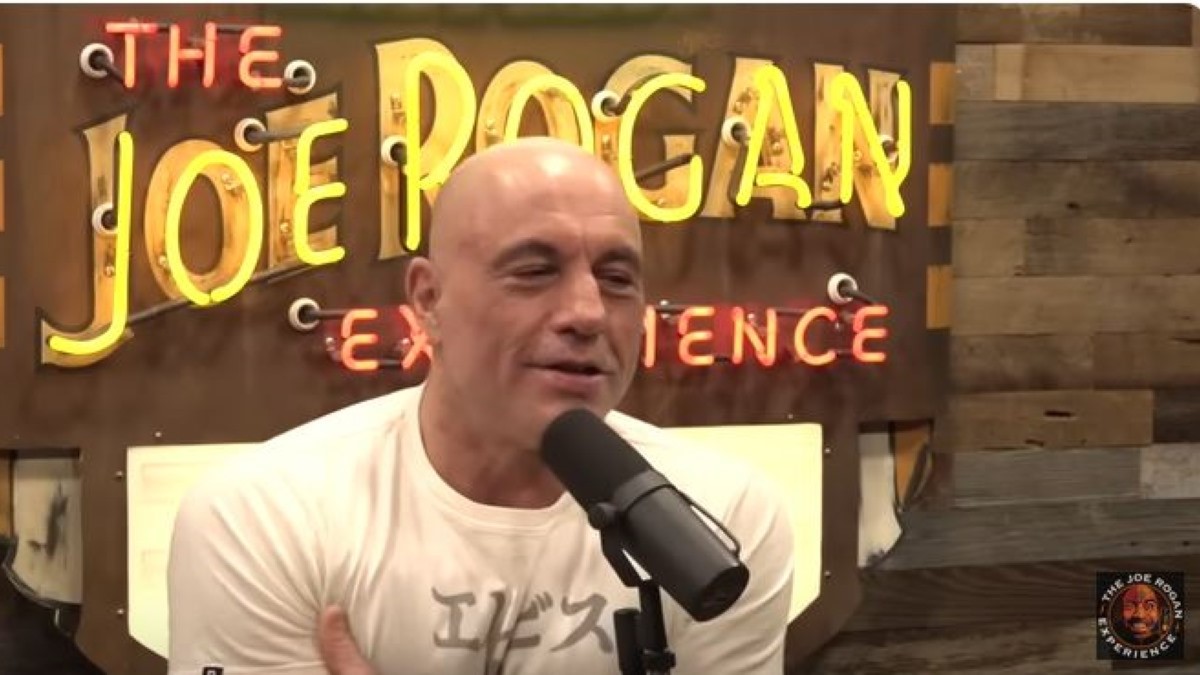
Picture:  Joe Rogan in his studio on February 28, 2025.