Our kids’ brains, fried on social media

Frequent use of platforms is crucial for the generation of profits. Therefore, algorithms aim for what amounts to addiction. And social media addiction is associated with negative changes in brain structure, especially in young people.

One of our Founding Fathers, James Madison, said “A well-instructed people alone can be permanently a free people.” So, what are our chances of eventually not falling into the hands of masters when our kids’ brains are being fried by social media?

No, this is not hyperbole. Frequent use of platforms is crucial for the generation of profits. Therefore, algorithms aim for what amounts to addiction. And social media addiction is associated with negative changes in brain structure, especially in young people.

What studies say.

Many studies have associated changes in specific areas of the brain — especially young people’s brain — with frequent use of social media. Areas negatively affected regulate thoughts, emotions, judgment, decision-making, higher-order thinking, impulse control, attention.

Here are excerpts that explain the harms.

“Internet addiction can also cause changes in the prefrontal cortex and lead to an imbalance in the frontostriatal pathway, which increases sensitivity to stimuli and reduces inhibitory control, thus influencing decision-making and emotional changes. In adolescents and young adults, impairments in cognitive functions, such as self-monitoring, memory retention, organizational skills, and time management, are commonly seen in cases of internet and smartphone addiction.” Social Media Algorithms and Teen Addiction, January 8, 2025.

“Social media platforms, by design, tap into our neurobiological vulnerabilities, particularly the mesolimbic dopamine system, creating cycles of craving and satisfaction. People’s tendency of addictive behavior with smartphones is not merely a matter of willpower but a neurological phenomenon with far-reaching consequences on attention, memory, and overall cognitive function.” Likes, Loops, and Limbic Systems, November 28, 2024.

“Upon exposure to rewarding stimuli, the mesolimbic system releases dopamine into specific target nuclei … Social media systems are taking advantage of the system by increasing dopamine release via digital footprints and machine learning algorithms that flash personalized content. This reinforcement motivates extended use, while users find it harder to unplug due to the expectation of rewards.” Social Media Algorithms and Teen Addiction, January 8, 2025.

So, is freedom in peril?

Judging by the excerpts above and the widespread use of social media by children and young adults, it appears we may be raising a generation lacking essential characteristics necessary to maintain a functioning republic.

In his “farewell address,” President George Washington listed many things necessary to preserve the republic. One of those things was a populace blessed with knowledge and enlightenment.

“Promote then, as an object of primary importance, institutions for the general diffusion of knowledge. In proportion as the structure of a government gives force to public opinion, it is essential that public opinion should be enlightened.” George Washington’s address.

His point was obvious: Our republic is based on the public’s will. If our populace suffers from “impairments in cognitive functions, such as self-monitoring, memory retention, organizational skills,” then the republic cannot endure.

In such scenario we will have “more need of masters,” as Ben Franklyn predicted. And the frightening part of this scenario is that the helpless populace will not know what kind of masters they will end up getting!

What to do? Here are laypersons’ suggestions.

If you are waiting for government to “do something,” you may be out of luck. Social media moguls donate tons of money to political campaigns. If you want your children to have healthy brains, you will have to take matters into your own hands.

* Whether your family dinner is pheasant on tarragon cream or beans and rice, the kids will benefit from sitting with you and learn to converse. No cell phones, no television, just sharing how the day went and how it could have gone better.

* Visit your school board (try to make time, even if you work two jobs) and insist that cell phones be in lockers during class time (yes, this is getting to be a dangerous world where cell phones might be considered a safety tool, but are they also contributing to violence?)

* Bed time is sleep time, not text time. Taking a book to bed might work. New readers might love traditional comic books. Once kids get hooked on reading the good stuff, they are on their way to being lifetime readers instead of texters.

A Republic, if you can keep it.

It is up to We the People. Do we want a populace with fried brains in need of masters, or a nation of readers and problem solvers capable of maintaining a functional free republic?

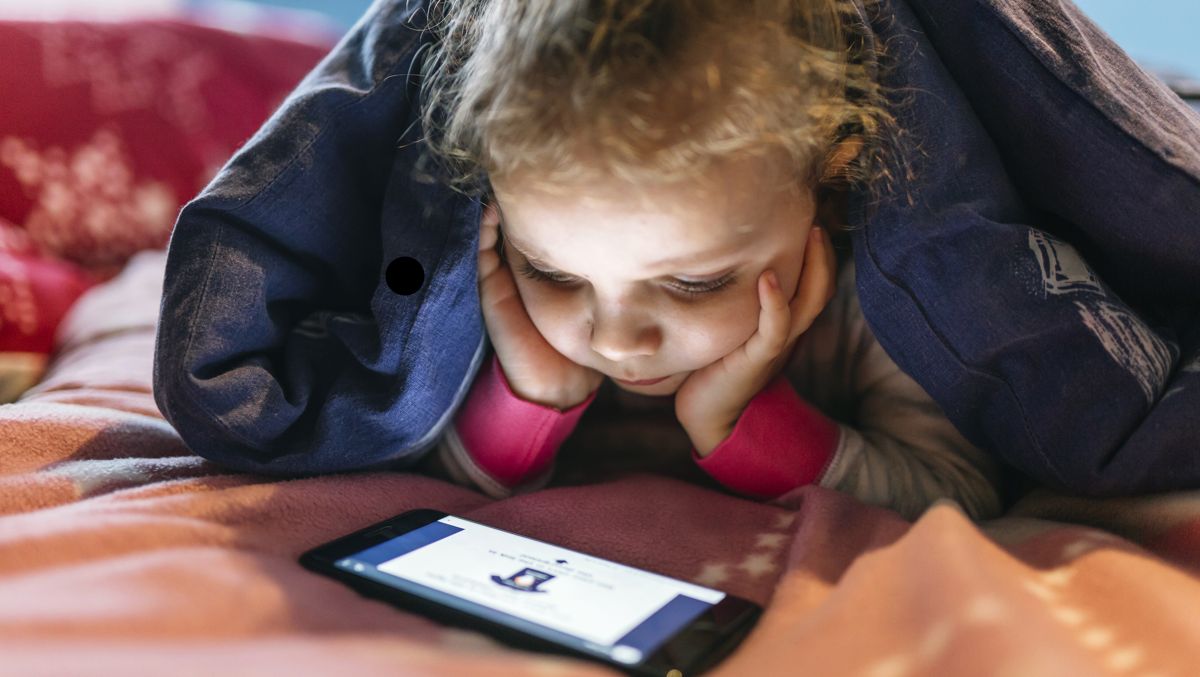
Picture: From Freepik, a creative suite with a treasure trove of free images.

The news everybody knew: plastics make you sick

Medical journal The Lancet just published a straight-up report on plastics: they make you sick. Is your baby chewing on plastic teething rings? Is your tween’s room filled to the rafters with Barbies? Choose healthier.

On August 3, 2025, the Lancet, a well-known medical journal, published a report that went straight to the point regarding plastics. The Lancet Countdown on Health and Plastics, says:

Plastics are a grave, growing, and under-recognised danger to human and planetary health. Plastics cause disease and death from infancy to old age and are responsible for health-related economic losses exceeding US$1·5 trillion annually.

There has been enough talk about plastics harming our environment.

We have all seen the ubiquitous images of the mountains of plastic containers clogging waterways, decimating oceanic health, and blighting landscapes. What we have not seen or heard enough is talk of the health hazards caused by rooms full our children’s plastic toys, refrigerators with plastic containers, pantries with plastic-lined food cans, doors and windows encased in polyvinyl chloride (PVC, an acknowledged toxic plastic), and water pipes made of PVC.

So, lets talk about the human danger of plastics.

The human danger largely comes from two sources: (1) From inhaling chemicals that emanate from building materials like PVC, furniture made of engineered “wood,” and products — from toys to medical equipment — made from plastics. (2) From ingesting microplastics that enter our bodies via water, food, and breathing.

These foreign substances wreck havoc in endocrine and neurological systems, especially the systems of fetuses and children. Such disruptions increase risks for obesity, diabetes, lower fertility, and ADHD.

The remedy discussed in the Lancet report?

The several authors of the referenced Lancet report must be commended for sounding alarm in a popular journal, the publications of which are often picked up by the general media.

They must also be commended for starting a serious effort to track amelioration of harms done by plastics. The tracking – or “Countdown” — will begin after member states of the United Nations finalize a global plastics treaty during meetings in Geneva, Switzerland from August 5 – 14.

A press release dated August 5, 2025, on the The UN Environmental Programme website defines the objective of the upcoming sessions on global plastics:

“… to develop an international legally binding instrument on plastic pollution, including in the marine environment … to finalize and approve the text of the agreement and forward it for consideration and adoption at a future Diplomatic Conference of Plenipotentiaries.”

What was not discussed in the Lancet report?

Understandably, the scope of the Lancet report does not include two questions that hopefully will be addressed by ordinary concerned individuals.

* Have the climate change global agreements worked as expected? Some will say “yes” judging by the proliferation of laws regarding oil production, transportation, and infrastructure. Others will say “no” judging by the fact that climate continues to present increasing challenges since the Paris Agreement was signed in 2015.

* What will replace the innumerable plastic products in the market today? Some will say not to worry because that will be solved once enough plastics are banned. Others will say that the sheer volume of replacements needed requires that consumers become convinced that plastics threaten their health, start purchasing the alternatives that are already in the market, and producers reach economies of scale to make alternatives to plastics affordable to everyone. In other words, where mandates, like those made as a result of climate change treaties, do not work, consumer awareness might.

Replacement products must precede or accompany reduction in plastics.

In the old days, children’s toys were made of wood, cotton and wool, straw, paper, tin and other products derived from nature. The same with household products.

In 1907, the first completely synthetic plastic, made from phenol and formaldehyde, was developed. It was named Bakelite. Its many uses, including the manufacturing of colorful bangles, helped propel the development of more plastics.

As development and production of plastics grew, economies of scale made plastics cheap compared to naturally-sourced materials. New technologies made plastic products in all kinds of shapes, sizes, textures, strengths, and colors. And omnipresent advertising and powerful lobbying succeeded in selling plastics like polyvinyl chloride as safe for our water infrastructure (like PVC pipes), our homes’ building materials (like “luxury vinyl”), our children’s toys (like the plushy ones), and containers of things we put in our bodies (like IV bags).

Given such universal use of plastics, talk of reducing use via government mandates – as the UN global efforts seem to advocate – is unrealistic.

More realistic would be to increase consumers’ awareness.

To reduce the use of plastics, consumers must (1) become believers in the health hazards of plastics, and (2) become comfortable with using plastics alternatives, many of which are already in the market today.

Here is an example of the effectiveness of strategy (1).

The public’s awareness that cigarettes were deadly and not the safe glamorous indulgence they were portrayed to be helped to lower smoking addiction. Cigarettes were not banned, they just became yucky in the eyes of a lot of people.

The same could happen to most plastics. The environmental lobby has already succeeded in developing some distaste for plastics by publicizing realities like the island of plastic garbage located in the North Pacific and sea creatures helplessly tangled in plastic containers’ packaging yokes.

Now health enthusiasts could make inhaling the volatile organic compounds (VOCs) off-gassed by luxury vinyl, plushy toys, and the innumerable other plastic products in our homes and workplaces equally undesirable. Even easier to make unpleasant is the ingestion of micro plastics.

Strategy (2) is seen in trends like the general public of the 1970s feeling comfortable using computers or using recycling bins.

Some statistics show that demand for alternatives to plastic products is increasing. Maybe selling “sustainability” works, maybe plastic teething rings became a bridge too far for some, maybe more people now know that most plastic products are not recyclable and end up in landfills.

That trend could accelerate with clever promotion of alternative products that already exist, appeals to “early adopters,” encouraging the purchase of less but healthier stuff, support of politicians that advocate using petroleum (the raw material of many plastics) for essential industries and transportation not vinyl doors and Barbies.

Find out about the interesting plastic alternatives!

An online store (Impack, with no connection with this blog) selling non-plastic packaging has a good chart of alternative materials and their relative cost. The two more interesting products are glassine bags and mushroom cushioning.

Glassine bags are resistant to grease, air, and water vapor. They are also biodegradable, translucent, cost effective, and not coated with anything. Glassine is a healthy way to wrap food.

Mushroom cushioning is made of mushroom roots combined with agricultural waste like corn husks. It is a highly effective protective material for expensive fragile products like electronics and high-end cosmetics.

Choose healthy.

What keeps people from moving away from plastics is feeling comfortable with plastics’ image of trustworthy useful affordability. That image was carefully curated to consumers.

A 4th of July checkered tablecloth made of PVC looks just like grandma’s oilcloth made of cotton and linseed oil. Vinyl sheet flooring comes right up when you Google “linoleum,” also mostly of linseed oil. Parents and children are constantly fed images of happy kids surrounded by piles of cute and colorful plastic.

Pulling back the curtain on plastics, as the Lancet report has just helped do, and making people feel even more comfortable with natural alternatives to plastics is a good way to make us all much healthier.

Picture: Disney Princess Gourmet Kitchen sold at Target. 42.32 H x 49.37 W x 12.59 D. Material: Plastic.

World without Roe v Wade: Mommy left to die?

Conservatives need to show they are aware that if abortions are completely banned, doctors might have to decide who gets killed – Mom or Baby – and whether or not to risk their medical career by not letting Mom die.

Roe vs. Wade as well as Planned Parenthood vs. Casey might soon be on the chopping block, which has unleashed fury from the left and contentment from the right. The left’s fury is understandable – overturning Roe messes with a lot that women have taken for granted in the last 50 years. The situation on the right seems more difficult to understand.

The majority of conservatives oppose abortion, often declaring that life begins at conception and must be protected from that time on. Great, but whose life? Not all conservatives include in their declarations that there should be exceptions to protect maternal life.

Abortion should be made illegal throughout the United States. No exceptions. Bo Hines, candidate for U.S. House of Representatives, North Carolina.

Perhaps Hines has in other occasions better explained his position, and perhaps he does consider maternal life as important as fetus life.

However, Hines’ statement, as well as those of other conservatives speaking on abortion, are the kind of thing that could upend the 2022 midterm elections. That is, unless most conservative women have not heard of maternal risks during pregnancy either.

Here are three of the most serious potential risks to refresh their memory:

Ectopic pregnancy: No way either Baby or Mom can survive without intervention like surgery to remove the fetus or medication to stop the fetus from growth.

Preeclampsia: This used to be called “toxemia.” It is very high blood pressure and protein in the urine. The only cure for severe preeclampsia is to give birth. If the Baby is viable, all might be well. If it is not, either Mom will survive but Baby will not, or both will die.

Detached placenta: As the name implies, the placenta separates from the uterus, preventing Baby from getting nutrition and oxygen. If severe enough, Mom can only be saved by giving birth to Baby, regardless of gestation time.

These risks are common knowledge. Nothing controversial about them. So, conservatives need to show they are aware that if abortions are completely banned, attending physicians might be placed in the position of deciding who gets killed – Mom or Baby – and whether or not to risk their medical career by not letting Mom die.

As an aside, another issue that conservatives might want to clarify is that Planned Parenthood does more than “kill babies.” It provides education and contraceptives that help the less affluent avoid abortions and plan the size of their families.

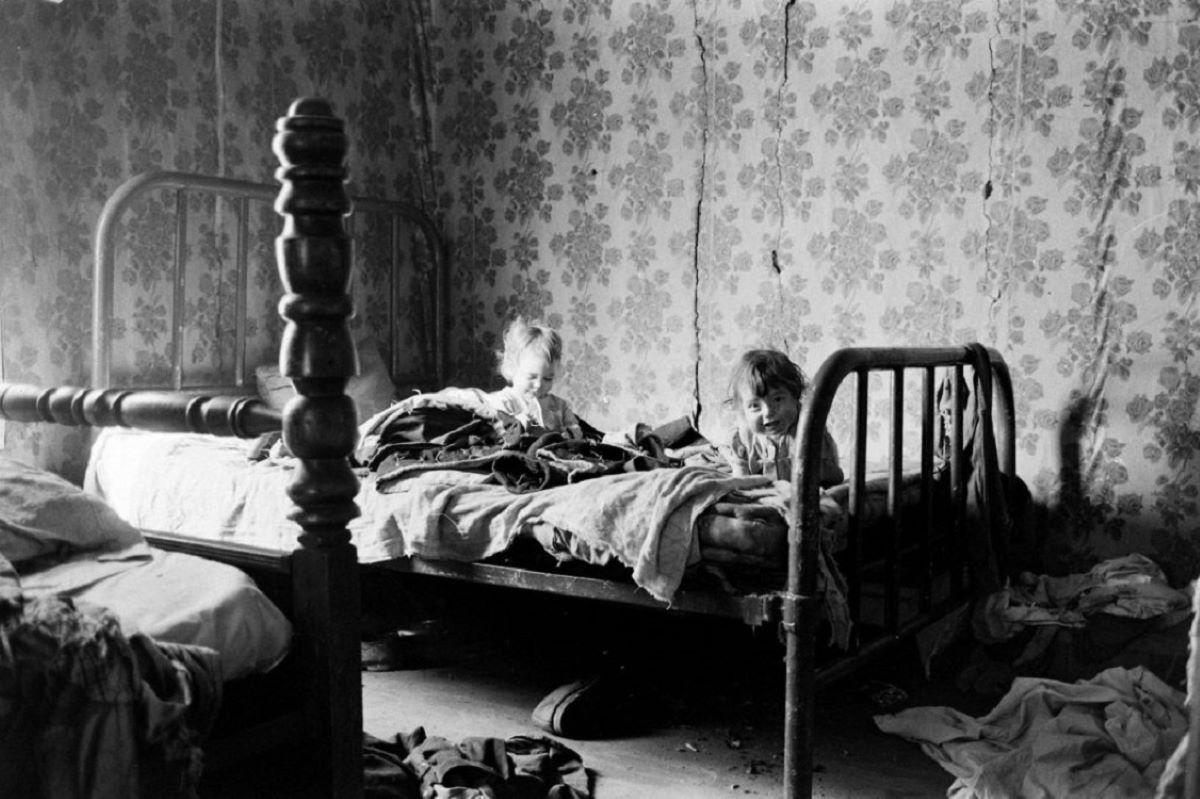
Picture: The featured picture above is from a series of photographs by Jon Dominis, published by Life Magazine in its January 31, 1964, issue in an essay titled “The Valley of Poverty.”

A Modest Proposal: Rename April 1 Useful Fools Day

Proposals: the outsized response to Covid-19 be a contribution to April 1; celebrations include not only ordinary individuals, but also Wall Street darlings, public servants, and respected professionals; the day be renamed Useful Fools Day.

Today is April 1, celebrated for centuries as April Fools Day. It’s a day to play pranks on the unsuspecting gullible. Given the current penchant for updating history and renaming symbols, the Just Vote No Blog proposes that April Fools Day be renamed Useful Fools Day. The new name would be more inclusive, and therefore more equitable.

Why the proposal?

Historians disagree on the origins of April Fools Day, but have some likely suggestions, all relating to events in the distant past: celebrations of the cult of Cybele, change from the Julian to the Gregorian calendar, start of the Vernal Equinox – all old stuff. We need to add to the list a newer event that, as the ones before, produced sufficient confusion to create a large pool of unsuspecting gullible people. Also, we need to update the title of the celebration, since these days simple fools are not anywhere near as visible and important as useful fools.

Event of the 21st Century: Covid-19 Response

The Just Vote No Blog proposes that the outsized response to the Covid-19 pandemic be the 21st Century’s contribution to April 1, and that useful fools be celebrated on that day. The Blog further proposes that celebrations include not only ordinary individuals, but also a lot of Wall Street darlings, public servants, and respected professionals.

A comprehensive list of prominent useful fools would take up several volumes, so here is just a sample of possible candidates for inclusion in the updated April Useful Fools Day.

*Our fearful brethren that support a slash and burn approach to the pandemic in an effort to receive protection and safety. The establishment has been more than happy to grow by leaps and bounds by providing such protection and safety. Problem is, as is usually the case, there is a lot of collateral damage.

Discarded surgical masks strewn along the sidewalk aptly represent COVID-19’s lasting legacy. The federal medical bureaucracy’s response to the pandemic has resulted in a wasteland of lost economic and educational opportunities, psychologically damaged children, terminally lonely nursing home residents, and lives lost to suicide, illicit drug overdoses, and missed diagnoses…

Shameless non-clinician bureaucrats have stolen our lives, stolen the smiles from children’s faces, and bullied a segment of the population into paralyzing fear. Those hiding behind masks (including our precious children) no longer see people as people, but as 170-pound nests of germs and certain death.

Dr. Marilyn Singleton, MD, JD. The New Wasteland: COVID-19’s Shameful Legacy. March 31, 2021.

* Our crony capitalists in technology that turned collaborators in the war against Covid-19. Whether collaboration will protect them against anti-trust intervention and onerous regulation remains to be seen.

A decades-old law shields companies such as Facebook and Twitter from lawsuits over content their users post on their platforms. Now that legislation is under attack as lawmakers look to hold social media firms accountable.

Democrats and Republicans on Capitol Hill generally agree that changes need to be made to Section 230, a provision in the Communications Decency Act that gives legal protections to social media companies.

What’s Section 230? The Social Media Law in the Crosshairs of Congress. March 26, 2021.

The government has flailed in its response to the pandemic, and Big Tech has presented itself as a beneficent friend, willing to lend a competent hand. As Microsoft’s chief executive, Satya Nadella, wrote in April, “The challenges we face demand an unprecedented alliance between business and government.”

What Big Tech Wants Out of the Pandemic. The Atlantic. July-August 2020 issue.

*Our leaders in Washington forge on

Back in January 2021, President Joe Biden issued an Executive Order on domestic and international travel. A clause that stands out mandates that U.S. agencies study the feasibility of linking COVID-19 vaccination to International Certificates of Vaccination. On March 12, the White House issued a press briefing noting that the private sector and non-profits are taking care of these vaccine certificates with guidance from federal agencies.

We are to rejoice that at present government will not be keeping a central database on who has been vaccinated and who has not. We are also to rejoice Joe Biden is reviving our lives, our businesses and our economy.

Once again we seem to be blind to the collateral damage – the vaccine apps will be the equivalent of the ancient “Quo Vadis?” and the modern equivalent of “show me your papers.”

Old Saying: Nobody is useless; they can always serve as a horrible example

Useful fools are an extremely valuable commodity. They come in all forms – a concerned individual, a greedy corporation, a government on a tyranny dry run. Each hopes for protection, security or power that may or may not materialize. Each deserves a day of celebration dedicated to them.

Pictured Above

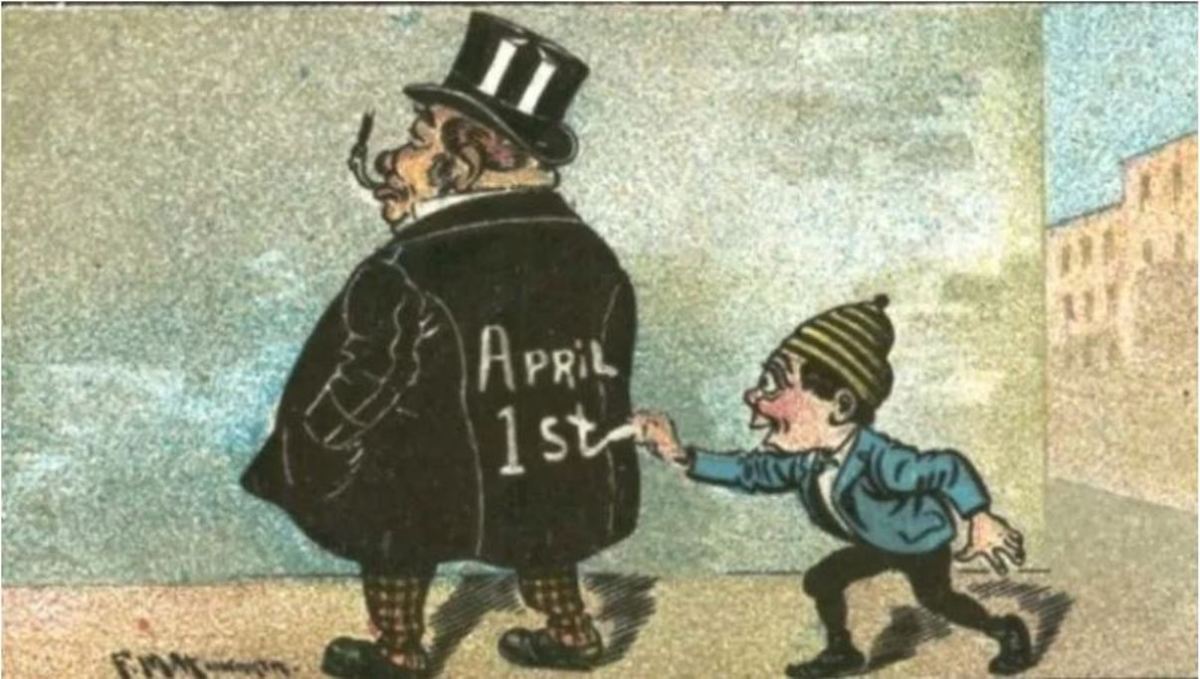
Interesting picture on Realm of History website’s article Ancient Romans and Medieval Church: The usual suspects in the origins of April Fools’ Day. From the article,

In any case, historically, April Fools’ Day possibly became a standardized affair by 18th century in Britain. The jests and pranks were especially popular in many parts of Scotland, with people actively participating in concocting fake errands and even inventing the ‘art’ of putting signs on the unsuspecting person’s back.

Bill Gates in 2015: “We Are Not Prepared”

Five years ago, Microsoft founder Bill Gates warned “If anything kills over 10 million people in the next few decades, it’s most likely to be a highly infectious virus rather than a war.” That is still true.

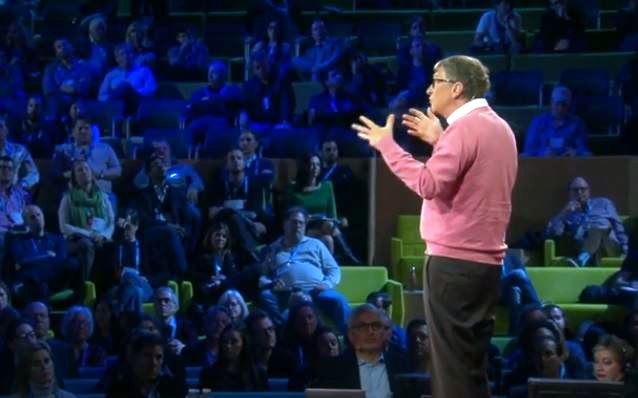
Bill Gates TED Talk

Five years ago Microsoft founder Bill Gates hoped that the Ebola epidemic of 2013 would be the wake-up call that triggered mobilization towards preparedness. In his April 2015 TED Talk Gates said,

If anything kills over 10 million people in the next few decades, it’s most likely to be a highly infectious virus rather than a war. Not missiles, but microbes.

Such prediction becomes credible when we compare efforts at preparing for war vs. efforts at preparing to fighting epidemics.

… we’ve invested a huge amount in nuclear deterrents. But we’ve actually invested very little in a system to stop an epidemic. We’re not ready for the next epidemic.

Preparedness for war entails reserves that can be called into action, mobile units that can be deployed where conflicts arise, and on-going assessments of logistics. Such preparedness does not exist in public health systems.

An effective public health system needs not only trained and flexible boots on the ground, but also coordinated scientific and technological support, as Bill Gates suggested.

But in fact, we can build a really good response system. We have the benefits of all the science and technology that we talk about here. We’ve got cell phones to get information from the public and get information out to them. We have satellite maps where we can see where people are and where they’re moving. We have advances in biology that should dramatically change the turnaround time to look at a pathogen and be able to make drugs and vaccines that fit for that pathogen. So we can have tools, but those tools need to be put into an overall global health system.

In his 2015 talk Bill Gates was speaking from the world’s experience with the Ebola epidemic that started in 2013. Ebola was contained by 2016. Except for isolated cases elsewhere, the Ebola epidemic mostly affected populations in West Africa.

Even more difficult to contain without effective public health systems in place are pandemics, which unlike epidemics spread rapidly globally. Epidemiologists estimated deaths from two recent pandemics: the 1968 Hong Kong Flu caused one million deaths worldwide and 100,000 in the U.S., and the 2009 Swine Flu 575,400 deaths worldwide and 12,469 in the U.S.

Today we are suffering through COVID-19, not a strain of influenza, but a coronavirus in the same family as SARS (Severe Acute Respiratory Syndrome, first emerged in 2002, deaths worldwide 813, fatality rate 9.5%), and MERS (Middle East Respiratory Syndrome, first emerged in 2012, deaths 858, fatality rate 34%).

Preparedness for COVID-19 is minimal in most countries. In the U.S. there is scarcity of tests and protective gear, insufficient hospital beds, inadequate logistics for keeping grocery shelves stocked, no plan to quickly move school aged children from crowded brick and mortar facilities to small groups or on-line instruction. We are left with lockdowns that will result in massive economic and social disruptions.

Effective public health structures that defend populations against disease cost money. However, such public structures are not built by government throwing money at schemes like Medicare for everyone or universal health care. They are built by intelligent research and development, flexible logistics for people and equipment, absence of excessive red tape, and ample market competition that brings costs down.

Also, the costs of effective health structures must be compared to economic upheavals incurred by lockdowns and absences from work as we are seeing with COVID-19.  As Bill Gates said,

I don’t have an exact budget for what this would cost, but I’m quite sure it’s very modest compared to the potential harm.

Today we are seeing the harm brought about by unpreparedness.   Hopefully after COVID-19 is past, we will see determination towards preparedness.