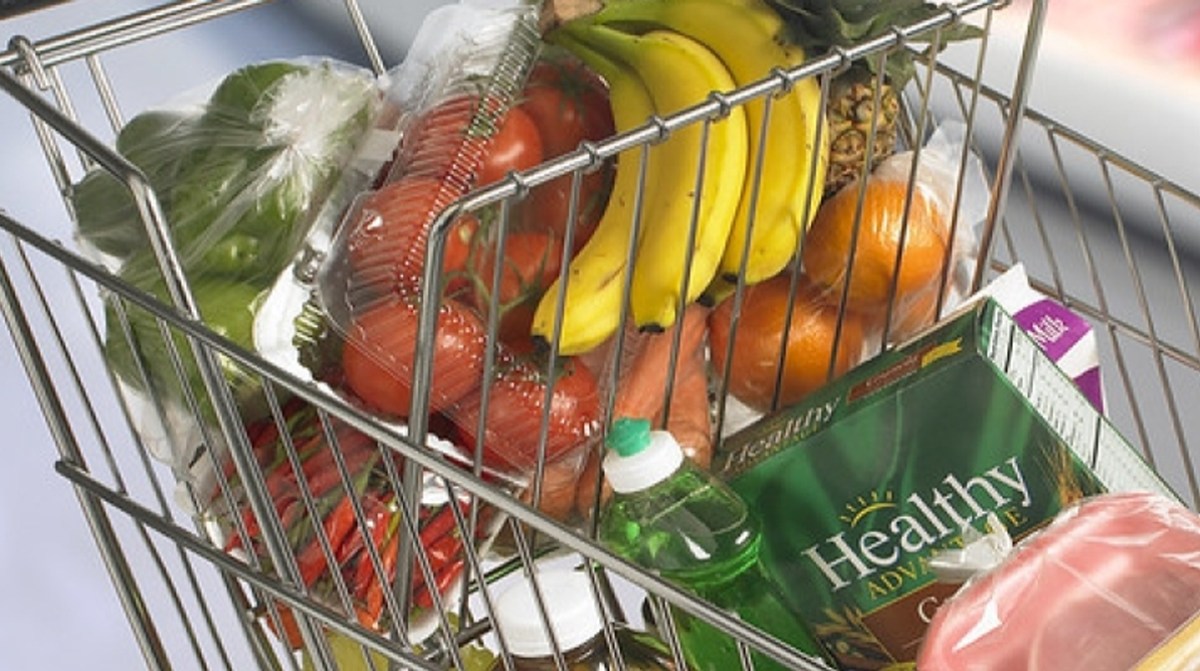
During the latest federal government shutdown, mainstream media has been awash with concern about families’ well being in the absence of SNAP (Supplemental Nutrition Assistance Program, formerly Food Stamps). While that concern is valid, more significant would be the question why 12% of US residents can’t afford groceries.
SNAP is one of the several US Department of Agriculture Food and Nutrition services, intended to help US residents unable to ensure food on their table. SNAP is the largest of the Food and Nutrition programs, clocking in at 70.2% of spending. The other USDA programs are child nutrition, 20.2%; WIC (Women, Infants, and Children) 5%; all other 4.6%.
USDA data shows that in fiscal year 2023, children accounted for about 39% of all SNAP participants, adults ages 18–59 represented 42%, and seniors 60 and older represented about 19%.
Most non-disabled working age SNAP recipients do work, but in today’s many non-steady, low-paying industries. They are part of the growing numbers of workers in Paycheck to Paycheck America.
What is poverty in our Humpty Dumpty World?
Some of the challenges in Paycheck to Paycheck America come from an ever-changing meaning of words. In Alice in Wonderland, Humpty Dumpty helps us understand that situation:
“When I use a word, it means just what I choose it to mean. Neither more or less.” Alice responded to Humpty Dumpty, “The question is, whether you can make words mean so many different things?” Humpty Dumpty retorted: “The question is, which is to be master? That’s all.”
The word “poverty” seems to fall into the Humpty Dumpty category of meaning what “masters” want it to mean.
In the very old days poor people were just that – poor, and they made do with what goods or services they and their children provided to others. In the 1960s, a poverty threshold was developed, people below that threshold became entitled to taxpayer assistance – and the “poverty rate” decreased. In 2011, the Supplemental Poverty Measure, which took into account all sorts of variables, was implemented – and the “poverty rate” decreased some more.
However, regardless of official statistics, folks remain poor. Decrease in poverty since the 1960s does not mean folks make more money for themselves. It means folks receive more money from public assistance.
Thus, the dire situation brought about by an interruption in SNAP subsidies.
In an ideal world, SNAP subsidies would not exist
In an ideal world, efforts would not be placed in ensuring lower-income individuals receive public assistance, but ensuring those individuals did not need public assistance, at least not to the extent that is needed at present.
A good start would be looking at prices vs. wages increases.
Here are numbers quoted by the Ludwig Institute for Shared Economic Prosperity:
“… from 2001 to 2023, the cost of affording basic economic security doubled, rising 99.5%, 38% faster than the Consumer Price Index. Housing costs soared 130%, healthcare 178%, and the savings required to attend an in-state, public university 122%.”
Meanwhile, the Economic Policy Institute says,
“… new data on wages through 2024. Cumulative median wage growth was just 29% since 1979—or less than 0.6% per year on average.”
Efforts like minimum wage, rent control, government-controlled healthcare, taxing the rich have been tried. Results have been to allow the poor to live a little better, but seldom move up an economic ladder.
So, we might look at other variables
* Price inflation: Government prints money faster than it increases gross domestic product. National debt to GDP is now 125%. This causes the proverbial too much money chasing too few goods.
* Housing shortage: In the old days people built houses when they needed houses. These days, regulations, union demands, environmental concerns, not-in-my-backyardness, monopolistic corporate ownership of rentals, all conspire to greatly increase the price of housing.
* “Healthcare” today is not what it meant in the past: Prior to the 1960s, those lucky enough to be insured through their employer, union, or privately received coverage for hospital stays and needed surgeries. Urban as well as rural doctors, nurses, midwives, and even pharmacists did the rest. Pharmaceutical companies had not yet developed drugs for every malady. And there were a lot of healthy young people around. Today, insurers and providers of medical care deal with an aging population, higher incidences of chronic diseases, a vast array of prescription drugs, new procedures like sports medicine and gender-affirming care, and the ever-present threat of medical law suits.
* College tuition: The answer to why college tuition increased so significantly since the 1980s will depend on who you ask. But there are a few reasons that are generally accepted. Competition based on costly amenities. Increase in administrators, counselors, and other non-teaching staff. Increased perception that a college degree is essential to success. Reduced federal funding of grants. There is one reason widely quoted but often denied – In 1978 federal student loans became available to all students regardless of income, and colleges took advantage of that largess to increase tuition.
Addressing these variables
Rather than focus on extending public assistance like SNAP, it might be more productive to focus on the variables that likely make individuals and families dependent on public assistance.
The recent furor over the suspension of SNAP serves as a reminder of the old saying:
“If your government is big enough to give you everything you want, it is big enough to take away everything you have.”
Picture: From the website of the US Department of Agriculture. USDA has 29 agencies administering programs like Agricultural Research, Animal Plant Health Inspection, Food Safety and Inspection, Farm Services, Food and Nutrition, and several other services.
 Just Vote No