On August 27, Mark Zuckerberg expressed what perhaps most people knew. He said in a letter to Representative Jim Jordan (R-OH), chair of the House Judiciary Committee, that government officials pressured Facebook to censor certain Covid-19 content. He indicated in the letter that he regretted not being more outspoken about it.
Although Mr. Zuckerberg has now articulated contrition, it will be his actions not his words that prove his repentance. He could start by directing Facebook engineers and content administrators to restore the “reach” of posts that dared to bring up a situation, event, research that diverged from official prescribed positions during the pandemic.
Interestingly, the censorship alluded by Mark Zuckerberg applied to any Facebook account, no matter how obscure. And that included the Just Vote No Blog.
Up to the rise of Covid-related censorship, the Just Vote No Facebook Page reached a good number of people and received several comments on each post. Then, one fateful day, the Just Vote No Blog placed on its Facebook Page a post criticizing the way the pandemic was being handled by U.S. officials. Mind you, the post acknowledged that Covid-19 was real, and people were dying. The post only disagreed with the official response to the challenge, calling the ensuring disarray Keystone Cops behavior.
Overnight, the “reach” of all subsequent posts was “0,” and comments disappeared. This situation continues to this day.
It will be interesting to see whether Mark Zuckerberg’s newly-found courage and common sense will translate into more diverse posts on his platform. There is so much in cat video and cute memes content most people can tolerate.
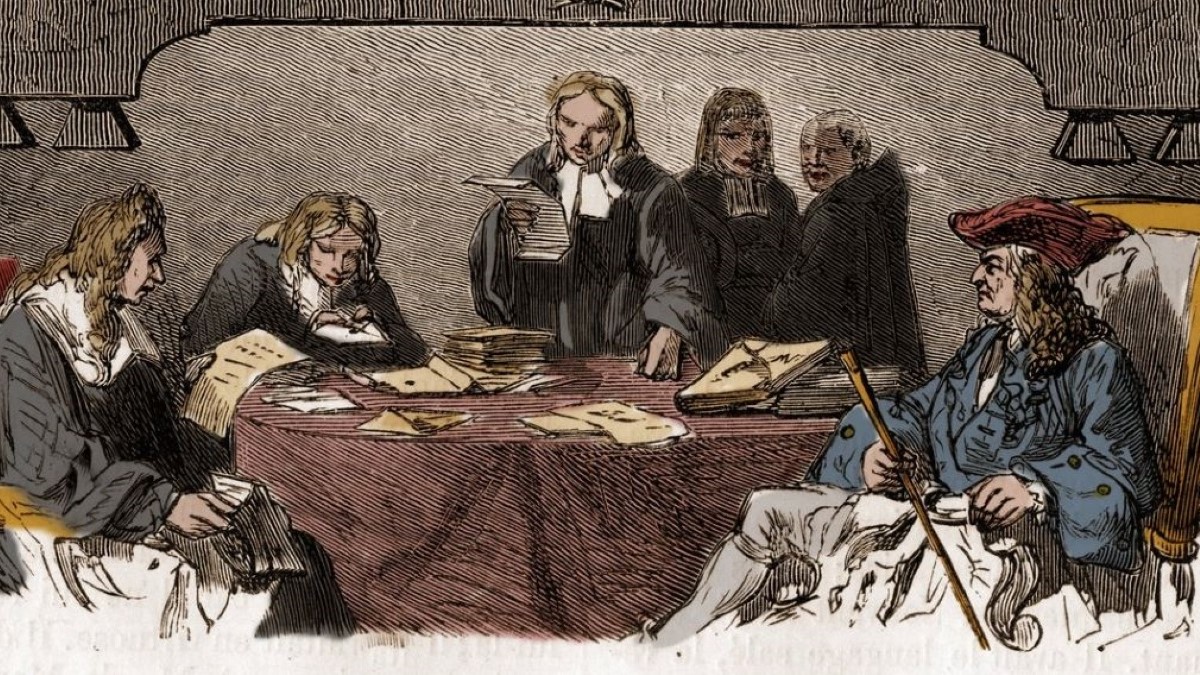
Picture: Anonymous engraving of a 19th century service called the Black Cabinet. The cabinet’s duty was to examine private correspondence for security reasons. From arts print website Meinsterdrucke
Discover more from Just Vote No
Subscribe to get the latest posts sent to your email.

 Just Vote No